
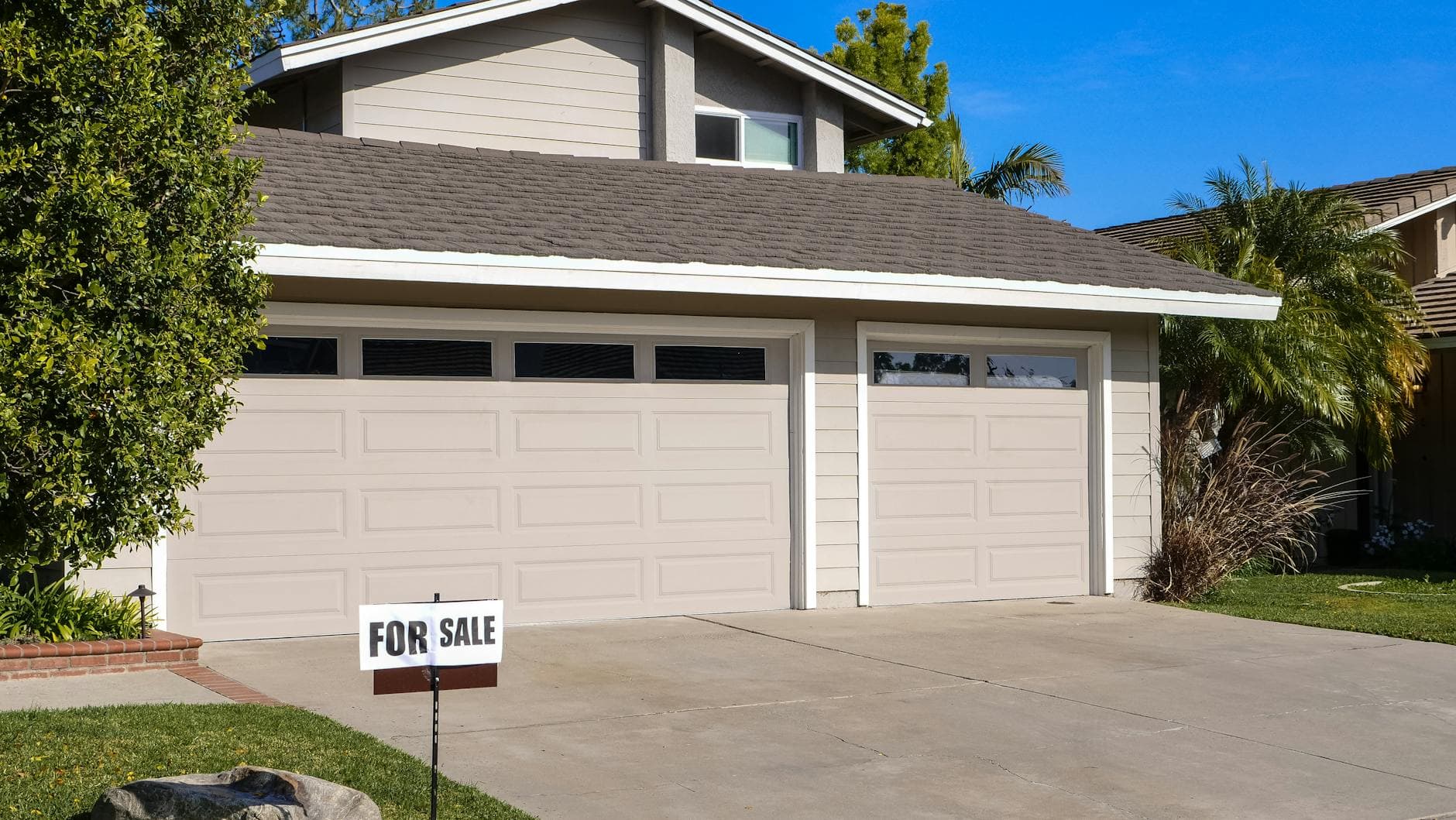
Omaha's Best Kept Secret: The Submarket Nobody Is Talking About
March 13, 2026
|By Tanner Sherman, Managing Broker
Everyone in the Omaha investment community is chasing the same three submarkets. West Omaha for new construction. Midtown for appreciation. Benson for the "up and coming" narrative.
Meanwhile, South Omaha is quietly producing some of the best risk-adjusted returns in the metro. And almost nobody at the local REIA meetings is talking about it.
I've been buying and managing in South Omaha for years. The numbers are better than what most investors assume, and the trajectory is pointing in a direction that deserves serious attention.
The Numbers Right Now
Let's start with what matters. South Omaha B and C class multifamily is trading at cap rates between 7.5% and 9.0%. That's 150 to 250 basis points above comparable product in Midtown and 200 to 300 basis points above West Omaha.
Average rents for a 2-bedroom unit in South Omaha sit between $875 and $1,050. Modest compared to Midtown's $1,050-$1,200 range or West Omaha's $1,200-$1,400. But here's the part most investors miss: the rent-to-price ratio in South Omaha is significantly better.
You can buy a duplex in South Omaha for $140,000-$180,000 that generates $1,800-$2,100/month in gross rent. Try finding that ratio anywhere west of 72nd Street. You can't.
On a per-unit basis, acquisition costs in South Omaha run $55,000-$75,000/unit for small multifamily. Midtown is running $80,000-$110,000/unit. West Omaha is north of $120,000. The entry point in South Omaha allows smaller investors to acquire more units with less capital, which means faster scaling and better diversification.
Why the Discount Exists
South Omaha trades at a discount for reasons that are real but also largely misunderstood by investors who have never actually operated there.
Perception. South Omaha has a blue-collar reputation. The housing stock is older. The neighborhoods don't look like Aksarben Village or Dundee. For investors who buy based on aesthetics or neighborhood cachet, South Omaha doesn't make the list. That perception gap is exactly where the opportunity lives.
Older housing stock. The average multifamily building in the South O corridor was built between 1920 and 1965. That means smaller units, older systems, and more deferred maintenance per building. This is a real consideration, not a dealbreaker. It means your CapEx-renovation) budget needs to be realistic, and your property management needs to be hands-on.
Tenant demographics. South Omaha has a large immigrant and working-class population. Household incomes are lower than the metro average. Some investors see this as risk. I see it as stability. These are tenants who need affordable housing, pay their rent because they can't afford not to, and stay for years because their kids are in the neighborhood schools and their community is nearby.
Our average tenant tenure in South Omaha is 3.2 years. In Midtown, it's 1.8 years. Longer tenure means lower turnover, which means lower vacancy and lower operating costs. The rent check is smaller, but it shows up more consistently and the unit turns less frequently.
What's Changing
Here's where the story gets interesting. South Omaha isn't static. There are four trends converging that are going to push values and rents up over the next three to five years.
1. Infrastructure Investment
The city has committed significant capital to South 24th Street corridor improvements. Streetscape work, pedestrian infrastructure, lighting, and facade programs are either underway or funded. This isn't speculative. The money is allocated and the work is happening.
Infrastructure investment is the leading indicator of neighborhood appreciation. It doesn't happen in areas the city has given up on. It happens in areas the city is betting on. When the public money goes in, private money follows. It always does.
2. The Stockyards Redevelopment
The Livestock Exchange Building and the broader Stockyards district are being repositioned. Mixed-use development, commercial activation, and residential density are all part of the plan. This is the kind of anchor project that redefines a submarket's identity.
For investors who own existing multifamily within a mile of the Stockyards, this is a proximity play. New development raises the floor on rents in the surrounding area. It attracts new businesses, new residents, and new attention. You don't need to invest in the development itself. You just need to own the rental stock that benefits from the rising tide.
3. Rent Growth Trajectory
South Omaha has seen 5.2% rent growth year over year in the B class segment. That outpaces the metro average of 4.1%. The gap is closing between South Omaha rents and Midtown rents, and it's closing faster than most investors realize.
Five years ago, the rent gap between South O and Midtown for comparable product was roughly $225/month. Today it's closer to $150. If that trend continues at even half the current pace, the gap narrows to under $100 within three years.
What does that mean for values? At a 7.5 cap, every $50/month rent increase on a 10-unit building adds $8,000/year in NOI, which translates to roughly $106,000 in property value. The appreciation is already baked into the trajectory. The question is whether you own the asset before the market prices it in.
4. Affordability Migration
West Omaha rents are pushing $1,400+ for a standard 2-bedroom. Midtown is crossing $1,200. As both submarkets push higher, renters who are priced out migrate south and east. This isn't a theory. We see it in our leasing data. An increasing share of our South Omaha applicants are coming from zip codes in Midtown and Central Omaha.
This inbound demand puts upward pressure on rents and downward pressure on vacancy. Both trends benefit existing owners.
The Operator's Edge
South Omaha isn't a set-it-and-forget-it market. The buildings require active management. The tenant base requires responsive service. The older housing stock requires a real CapEx plan and vendor relationships that can handle maintenance on 60-year-old plumbing and electrical systems.
This is exactly why the returns are higher. The barrier to entry isn't capital. It's operational competence. Investors who aren't willing to put in the management effort, or who don't have a property management team that understands the submarket, will struggle. Investors who do will outperform.
Here's what effective operation looks like in South Omaha:
Bilingual management. A significant portion of the tenant base is Spanish-speaking. Having bilingual leasing and maintenance staff isn't a nice-to-have. It's a competitive advantage that directly impacts occupancy and retention.
Fast maintenance response. Older buildings have more maintenance issues. That's a fact. The key is response time, not frequency. A tenant who gets a same-day response to a maintenance request stays. A tenant who waits a week starts looking for a new apartment.
Community-aware operations. South Omaha is a neighborhood. People know each other. Word travels. If you're a responsive, fair landlord, the community knows. Your vacancies fill by word of mouth before you ever post a listing. If you're neglectful or predatory, the community knows that too. And your vacancies sit.
Strategic improvements. You don't need granite countertops in South Omaha. You need functional, clean, well-maintained units with updated flooring, fresh paint, modern fixtures, and working appliances. A $3,000-$4,000 per unit refresh can push rents $75-100/month. That's a 25-40% annual return on the improvement spend.
The Investment Thesis
South Omaha offers a combination that's hard to find in any metro market right now:
Higher cap rates than comparable product in trendier submarkets
Lower per-unit acquisition costs that allow faster portfolio scaling
Above-average rent growth driven by infrastructure investment and affordability migration
Longer tenant tenure that reduces turnover costs and stabilizes cash flow
Appreciation upside as the submarket reprices to reflect its improving fundamentals
The risk is operational. The buildings are older. The management is more hands-on. The tenant base requires cultural competence and consistent service. If you aren't prepared for that, South Omaha will punish you.
But if you're willing to operate with discipline, the math is compelling. And the window is narrowing. Every quarter that South Omaha cap rates compress by 25 basis points is another quarter where the best deals have already traded.
I'm not telling you to rush out and buy the first duplex you find on L Street. I'm telling you to run the numbers. Compare them honestly to whatever submarket you're currently chasing. And ask yourself whether you've been overlooking the best risk-adjusted returns in the Omaha metro because of a perception that stopped being accurate five years ago.
For weekly market insights and real operator perspective, catch the Freedom Fighter Podcast on Spotify, Apple, or YouTube.
Tanner Sherman is the Principal and Managing Broker of Top Tier Investment Firm in Omaha, Nebraska. He co-hosts the Freedom Fighter Podcast with Ryan of Avara Investments.
Related Reading
The Omaha Rent Growth Story Nobody Is Reporting
The Market Cycle Nobody Wants to Talk About
Related Insights
All Insights →How Passive Investors Should Read the Real Estate Cycle
A plain guide to the real estate market cycle for passive investors, and how to judge whether a sponsor is positioned for the phase we are in.
Market IntelligenceInterest Rates and Real Estate: What Really Happens to Values
How interest rates move real estate values, why cap rates matter more than headlines, and how smart structure protects investor capital.
Market IntelligenceWhy Buying Right Matters More Than Market Timing
Buying right in real estate beats timing the market. How disciplined acquisition protects investor capital and builds durable, passive yield.
Want to talk strategy?
30 minutes. No pitch. Just your numbers.
Bring a deal, a portfolio, or a question. We will walk through the numbers together and tell you straight what we see.