
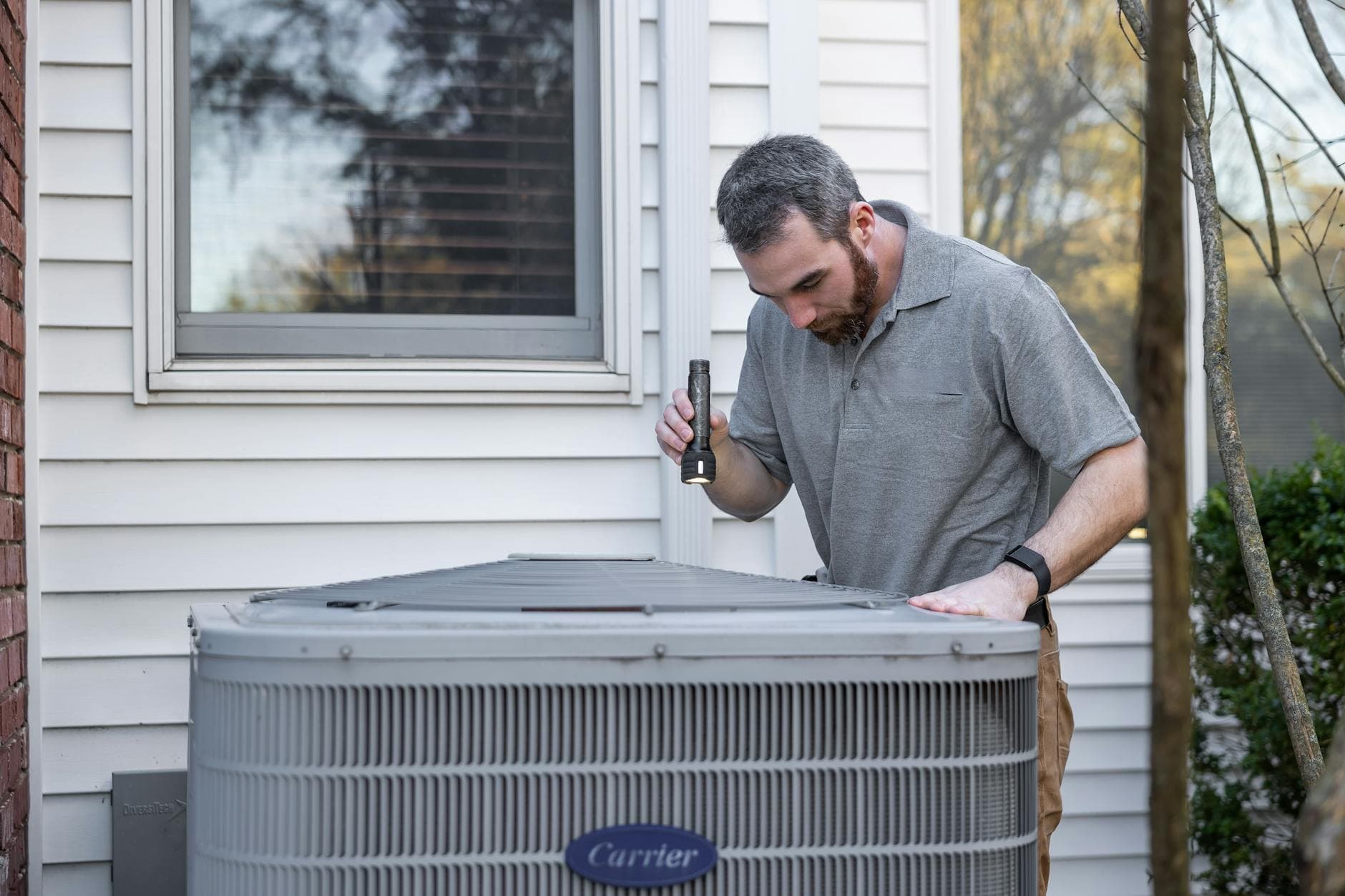
Preventive Maintenance as a Capital Protection Strategy
April 8, 2026
|By Tanner Sherman, Managing Broker
Most property owners think about maintenance as an expense category to be minimized. The more useful frame is to think about maintenance as a capital protection function with a measurable return on investment.
A multifamily property has finite major systems: HVAC, plumbing, electrical, roof, exterior, and appliances. Each of these systems has a known failure pattern. Each failure event has a known cost. The question is not whether these systems will fail, but whether they will fail reactively, at maximum cost, or proactively, at a fraction of that cost.
The HVAC Example
A central HVAC unit serving a multifamily building typically lasts 15 to 20 years with proper maintenance and 8 to 12 years without. The cost of annual preventive service is $150 to $300 per unit. The cost of an emergency replacement is $4,000 to $8,000 per unit, plus the tenant relations impact of a failed system during peak summer or winter weeks.
An operator who services HVAC annually is spending $200 per unit per year to extend a system's life and eliminate emergency calls. An operator who does not service until failure spends $4,000 to $8,000 when the system finally fails, which it will, and at the worst possible time.
Over 20 units and a 10-year hold, the difference in HVAC expense between preventive and reactive approaches is $40,000 to $80,000. That is not a rounding error.
Building the Preventive Maintenance Calendar
A complete preventive maintenance calendar for a multifamily property covers: semi-annual HVAC service, annual plumbing inspection (pressure testing, drain cleaning, water heater flush), annual electrical panel inspection, semi-annual roof and gutter inspection, quarterly exterior inspection (caulking, siding, foundation drainage), and annual appliance inspection in each unit.
We execute this calendar consistently across every asset we manage. The scheduling is documented, the vendor relationships are pre-established, and the completion is tracked in our maintenance management system. We report preventive maintenance completion rates to asset owners quarterly.
The Tenant Retention Component
Preventive maintenance has a retention component that is separate from the direct cost savings. Residents who live in buildings where maintenance is proactive rather than reactive report higher satisfaction with management. An HVAC unit that runs efficiently in the summer because it was serviced in the spring is invisible to the tenant. An HVAC failure in July is not.
Preventive maintenance is not glamorous. It does not show up in a leasing pitch or a property website. But it is one of the clearest differentiators between operators who protect asset value and operators who deplete it.
Related Reading
The Vendor Bid Process That Cut Our Maintenance Costs 22 Percent
The Seasonal Exterior Maintenance Checklist for Omaha Metro Rental Owners
Related Insights
All Insights →Snow and Ice Removal Liability Omaha: Who Pays When a Tenant Slips
Omaha landlords can be liable for an icy sidewalk even with a tenant lease clause. Here's how we assign and document that duty so it holds up.
Property ManagementWhy a November Vacancy Costs More Than a June Vacancy in Omaha
Omaha winter vacancies sit longer and cost more than summer ones. Here's the seasonal math and what we do differently to shorten them.
Property ManagementFall Chimney and Fireplace Safety for Omaha Rental Owners: The Liability Most Landlords Miss
Why an uninspected chimney and expired CO detectors are a distinct liability exposure for Omaha rental owners, not just deferred maintenance.
Want to talk strategy?
30 minutes. No pitch. Just your numbers.
Bring a deal, a portfolio, or a question. We will walk through the numbers together and tell you straight what we see.