
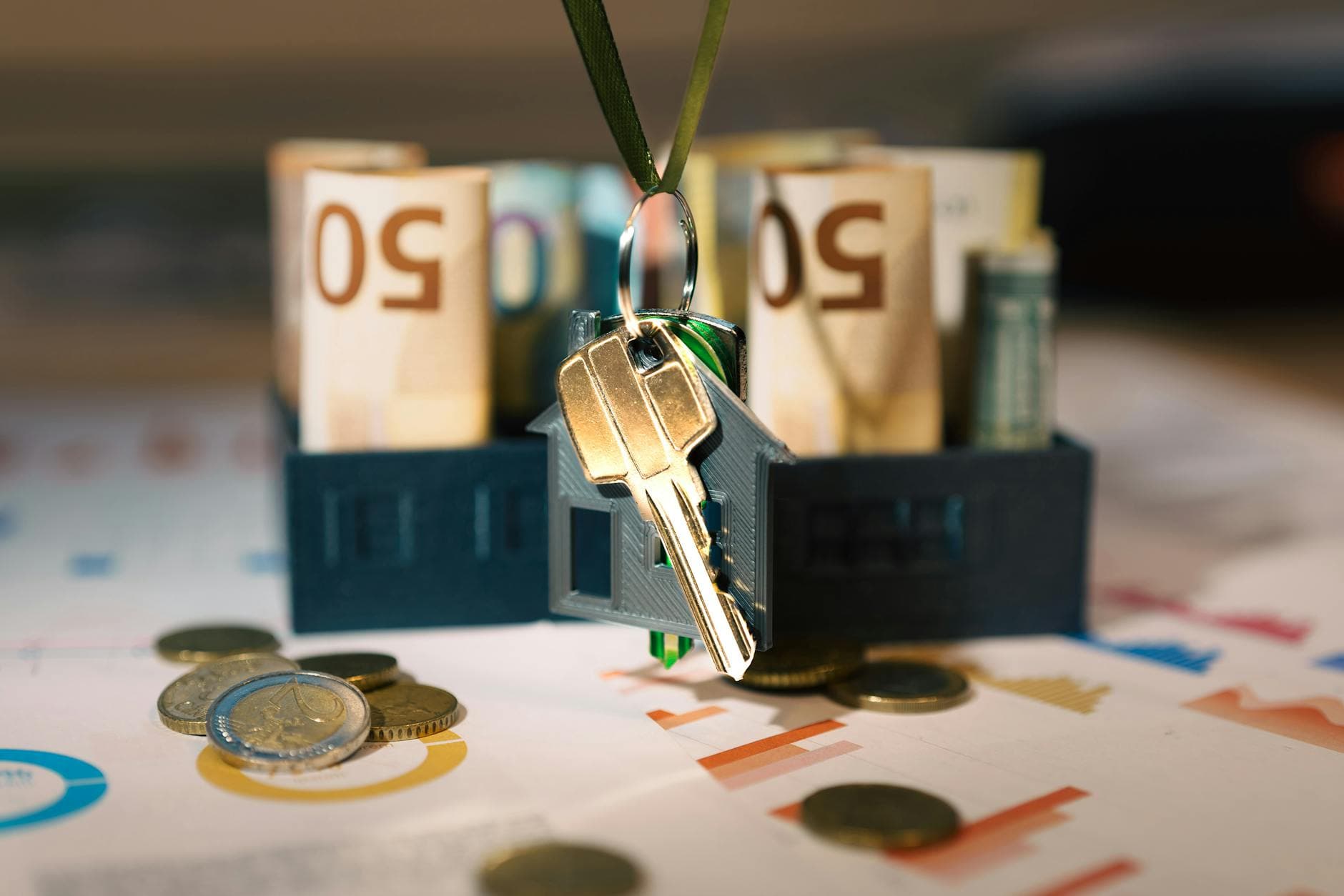
Why We Invest Alongside Our Investors
March 24, 2026
|By Tanner Sherman, Managing Broker
I have a simple rule. If I wouldn't put my own money into a deal, I'm not bringing it to my investors.
That isn't a marketing line. It's how we operate. As a matter of practice, when Top Tier Investment Firm sponsors a deal, we aim to invest our own capital on the same terms, exposed to the same risk, inside the same structure as our investors. Alignment does not remove risk. Every investment can lose value, including a full loss of principal, no matter who is invested alongside you.
Why? Because alignment isn't a buzzword. It's a business model. And the absence of it has cost real estate investors billions of dollars over the past decade.
The Misalignment Problem
The typical syndication-model-explained-simply) structure in real estate looks like this: a sponsor finds a deal, raises capital from investors, collects acquisition fees, asset management fees, property management fees, and a promote (profit share) on the back end.
In theory, the sponsor makes money when the investors make money. In practice, the fee structure can create a situation where the sponsor profits regardless of whether the deal performs.
Let me give you a concrete example.
A sponsor acquires a $5M property. They charge a 2% acquisition fee ($100,000 at closing), a 2% annual asset management fee ($100,000/year), and manage the property through their own PM company at 8% of gross income. Over a 5-year hold, the sponsor collects somewhere between $700,000 and $900,000 in fees before the investors see a single dollar of profit.
If the deal goes sideways and the property sells at a loss, the sponsor still collected those fees. The investors lose capital. The sponsor had a profitable deal.
That isn't partnership. That's a fee extraction machine wearing the costume of an investment.
What Alignment Actually Looks Like
When I say we invest alongside our investors, here's what that means in practice:
We put cash into the deal. Not "sweat equity." Not fee waivers credited as capital. Actual dollars, from our bank account, into the same investment vehicle, at the same valuation, with the same rights as every other investor.
We take fees that are tied to performance. Our management fees are structured to align with investor returns, not to pad our income regardless of outcomes. If the property underperforms, our total compensation decreases. That's how it should be.
We eat our own cooking on debt guarantees. On most multifamily loans, someone has to personally guarantee the debt. That's us. If the deal fails catastrophically, we aren't just losing our invested capital. We're on the hook for the loan. That guarantee focuses the mind in a way that managing other people's money alone can't.
Why Skin in the Game Changes Behavior
This isn't theoretical. Having our own capital at risk changes how we operate on a daily basis.
We Underwrite Conservatively
When my money is in the deal, I'm not using aggressive rent growth assumptions to make the pro forma work. I underwrite to actual market rents with modest growth projections, because I have to live with the outcome.
I have seen sponsors underwrite 5-7% annual rent growth to justify a purchase price. If you have no capital at risk, you can afford to be optimistic. If you're writing a check alongside your investors, optimism gets expensive fast.
We Manage Expenses Like Owners
Every unnecessary expense comes out of returns that we share. That $2,000 landscaping upgrade? It better drive rent increases or tenant retention, because it's reducing my return too.
This doesn't mean we cut corners. We invest in our properties aggressively when the ROI is clear. But we question every expenditure because we feel it. The same contractor bid that a fee-driven sponsor might rubber-stamp gets scrutinized when the check comes partly out of your own pocket.
We Hold Longer When It's Right
Fee-based sponsors have an incentive to sell and recycle into new deals because new deals generate new acquisition fees. When your compensation comes primarily from fees, more transactions mean more income.
When your return comes primarily from the deal itself, you hold the asset as long as the returns justify it. We have held properties through soft markets because selling at a mediocre price to generate a new acquisition fee would hurt our investors and hurt us. We wait for the right exit, because our money is waiting too.
We Communicate Transparently
When things go wrong, and they do go wrong in real estate, a sponsor with no skin in the game can minimize the problem. "Market headwinds." "Temporary dislocation." Easy to say when it isn't your money.
When it's your money, you communicate the problem immediately and honestly, because you're motivated to solve it, not to manage perception. Our investors get the same information we have, reported on the same timeline. Good news and bad news arrive with equal speed because we're all in the same boat.
What to Look for in a Sponsor
If you're evaluating a real estate investment opportunity, here are the questions I would ask any sponsor:
"How much of your own capital is in this deal?"
A percentage of their net worth matters more than an absolute dollar amount. Someone investing $50,000 when their net worth is $200,000 has serious skin in the game. Someone investing $50,000 when their net worth is $10M doesn't.
The answer should be specific. Not "we invest in all our deals" but "we're investing $X at the same terms as limited partners."
"What fees do you charge, and when do you earn them?"
All fees should be disclosed clearly in the offering documents. But also ask about the timing. Fees earned at closing regardless of performance are different from fees earned quarterly based on property operations. Performance-based compensation is a sign of alignment.
"What happens to your fees if the deal underperforms?"
Some sponsors will defer fees until investors receive a preferred return. Others collect fees regardless. The structure tells you where the sponsor's incentives actually are, as opposed to where they say they're.
"Have you ever lost money on a deal? What happened?"
Every experienced investor has lost money somewhere. If a sponsor tells you they have a perfect track record, they either haven't done enough deals to be tested, or they aren't being honest. What matters is how they handled it. Did investors get transparent communication? Was there a recovery plan? Were fees suspended during the difficult period?
"Can I see your last three investor reports?"
Reporting quality tells you everything about how a sponsor operates. Clear, consistent, detailed reports with actual financials, market commentary, and forward-looking plans indicate a sponsor who treats their investors as partners. Sporadic or vague reporting is a red flag.
The Trade-Off
Investing alongside our investors means our returns are directly tied to performance. If a deal underperforms, we lose money too. That's the trade-off, and it's one we choose deliberately.
Could we structure deals with higher fees and less personal risk? Sure. Many sponsors do. But that structure optimizes for the sponsor, not the investor. And we believe that in real estate, as in most things, the best long-term outcomes come from aligned interests.
When your operator is your partner, not just your manager, the decisions get better. The reporting gets clearer. We believe alignment sharpens our discipline as an operator. It does not predict or guarantee any particular outcome. Not because of ethics, although that matters too. Because incentives shape behavior, and the right structure produces the right behavior.
We put our money where our mouth is. Then we get to work.
We talk about this every week on the Freedom Fighter Podcast. Listen on Spotify, Apple, or YouTube. Or reach out at Tanner@TopTierInvestmentFirm.com.
Tanner Sherman is the Principal and Managing Broker of Top Tier Investment Firm in Omaha, Nebraska. He co-hosts the Freedom Fighter Podcast with Ryan of Avara Investments.
Important Disclosures
This article is for educational purposes only. It is not investment, legal, tax, or accounting advice, and it does not constitute a recommendation to buy or sell any security. Top Tier Investment Firm is not acting as your attorney, certified public accountant, or investment adviser. Nothing in this article is an offer to sell or a solicitation of an offer to buy any security. Any investment in a Top Tier fund would be made solely through the fund's formal offering documents and is available only to verified accredited investors. Real estate investing involves risk, including the possible loss of principal. Past performance does not guarantee future results. Consult your own attorney, CPA, and financial adviser before making any investment decision.
Related Reading
Vintage Diversification: Why the Year You Invest Matters as Much as What You Invest In
How DSCR Loans Changed the Game for Small Investors
How Depreciation Actually Works for Real Estate Investors
Investor Communication Expectations to Set Before You Invest
Related Insights
All Insights →Why Debt Isn't the Enemy (But the Wrong Debt Is)
I have been broke and in debt. I have also been cash-flowing and in debt. Those are two very different situations, and understanding the difference is the entire game in real estate investing.
Investor EducationWhy Most Real Estate Partnerships Fail
I have been in a partnership that worked and I have watched partnerships implode. The difference was never the deal. It was always the structure.
Investor EducationWhat Happens to Your Portfolio When Interest Rates Drop
Everybody is waiting for rates to drop. I hear it on every call. "We're going to buy when rates come down." "We will refinance once the Fed cuts."
Want to talk strategy?
30 minutes. No pitch. Just your numbers.
Bring a deal, a portfolio, or a question. We will walk through the numbers together and tell you straight what we see.