
Why Every Real Estate Operator Should Start a Podcast
March 10, 2026
|By Tanner Sherman, Managing Broker
I didn't start the Freedom Fighter Podcast to generate leads. I started it because I wanted to have real conversations about real estate investing with people who actually do this work, not people who teach about it from a stage.
The Freedom Fighter Podcast is a separate project from Top Tier. My co-host Ryan runs Avara Investments. We each run our own businesses. The podcast is where we show up every week, talk about what's actually happening, and hold each other accountable.
Seventy-plus episodes later, that show has become one of the most valuable things I do as an operator. Not because I planned it that way, but because consistent, transparent content does something that no ad campaign can replicate: it builds trust before the first handshake.
Let me show you how that happened, what the actual ROI looks like, and why every small business owner in real estate should consider this channel.
How It Started
My co-host Ryan and I launched the Freedom Fighter Podcast with zero audience, zero production budget, and zero strategy beyond "let's talk about what we're actually doing in our businesses."
Ryan runs Avara Investments. He is building a plumbing company that does north of $5 million in revenue and acquiring an HVAC business. I'm building Top Tier Investment Firm. We're both operators, not influencers. We aren't polished. We interrupt each other. We disagree on air. We talk about deals we lost, mistakes we made, and numbers that didn't work out.
That rawness is the product. Turns out, investors and business owners are starving for content that doesn't feel like a commercial.
The first 20 episodes, nobody listened. I'm not being modest. The download numbers were embarrassing. We recorded anyway. By episode 40, we had a small but engaged audience. By episode 60, people started reaching out, not because of any single episode, but because they had been listening for months and felt like they knew us.
That feeling, the "I feel like I already know you," is the most valuable asset the podcast has created.
The Pipeline Effect
Here's how podcast content turns into business. It isn't a straight line. It's more like water seeping through rock. Slow, but when it breaks through, the flow is steady.
Inbound Calls from Listeners
In the last 12 months, I have received inbound calls and emails from 14 people who explicitly cited the podcast as the reason they reached out. Of those 14:
4 became brokerage clients (listing or buyer representation)
3 are in active conversations about property management
2 invested in deals we're involved with (through proper channels and pre-existing relationships)
5 were exploratory conversations that haven't converted yet but remain warm contacts
The brokerage clients alone represent a potential gross commission income that dwarfs our total podcast production costs. On a single commercial listing that came from a podcast listener, the potential GCI is significant enough that it more than justified every hour I have spent behind the microphone.
Relationships with Guests
We have had operators, investors, lenders, attorneys, and service providers on the show. Every guest is a potential business relationship, and the interview format creates a connection that a cold call never could.
When you spend an hour with someone on a podcast, asking them about their business, their strategy, and their mistakes, you build rapport that would take months of networking to develop. And the conversation is recorded, so it keeps working long after the interview ends.
Three of our vendor relationships, including a commercial insurance broker who saved one of our clients $7,000 on a policy renewal, came directly from guest introductions on the show.
Content That Sells Without Selling
The podcast isn't a sales pitch. I never talk about our services, our listings, or our investment philosophy on the show. Not once. That's intentional.
But every episode demonstrates competence. When I walk through how we underwrite-a-multifamily-acquisition) a deal, or explain how we reduced expenses on a 24-unit building, or break down the math on a syndication-model-explained-simply) structure, the listener hears someone who knows what they're doing. They don't need a sales pitch. The content is the pitch.
A potential client told me, "I listened to the episode where you talked about losing money on a bad tenant screening decision. Anyone willing to talk about their mistakes publicly is someone I want managing my property."
That level of trust can't be bought with a Google Ad. It has to be earned. And a podcast is one of the most efficient ways to earn it.
The Actual Numbers
People love asking about podcast ROI but hate giving specific numbers. Here are ours.
Total production cost over 70+ episodes:
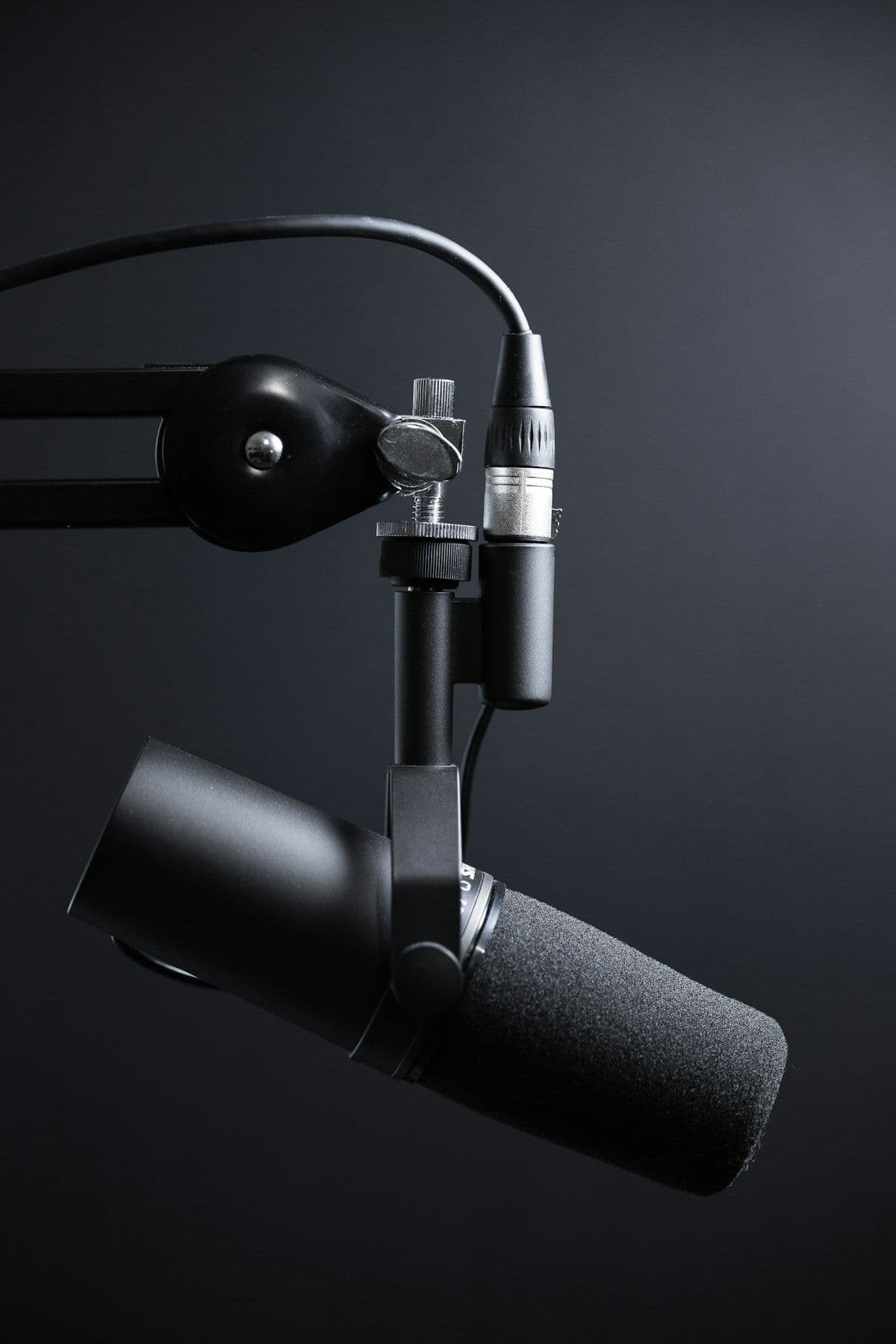
Recording equipment: $800 (one-time purchase, decent microphones and a basic mixer)
Editing software: $300/year (we do our own editing, which I don't recommend long-term, but that's where we're)
Hosting platform: $20/month ($240/year)
Time investment: approximately 3 hours per episode (prep, recording, editing, posting). Over 70 episodes, that's roughly 210 hours.
Total cash invested: roughly $2,000 over the life of the show. Add the time at whatever hourly rate you want. Even at $200/hour, the total investment is about $44,000 in time and cash.
Revenue directly attributable to the podcast: Multiple brokerage transactions and management contracts worth significantly more than the investment. Without getting into specific deal values, the ROI is substantial. And it's recurring, because those clients didn't come for one transaction. They came because they trust us. They stay because we deliver.
Revenue indirectly attributable to the podcast: This is harder to measure, but it includes every referral from a podcast listener to a friend, every LinkedIn connection that started because of the show, and every investor conversation that happened because someone heard an episode.
The indirect value is larger than the direct value. I'm certain of that even though I can't put an exact number on it.
What Podcasting Does That Other Marketing Can't
There are things a podcast does that no other marketing channel replicates.
Long-Form Trust Building
A podcast episode is 30 to 60 minutes of unfiltered conversation. There's no editing out the hard questions, no curating the perfect image, no hiding behind polished copy. The listener hears your actual thought process, your actual experience, your actual personality.
That long-form exposure creates a depth of trust that a 30-second ad, a blog post, or a social media caption simply can't achieve. By the time someone reaches out after listening to 10 or 15 episodes, they have spent 5 to 10 hours with you. Compare that to a cold lead from a Google Ad who has spent 30 seconds on your landing page.
Content Multiplication
Every podcast episode generates content for five other channels.
The full episode goes on Spotify, Apple Podcasts, and YouTube
We pull 3 to 5 short clips (60-90 seconds each) for TikTok and LinkedIn
Key insights become LinkedIn posts
The topic can be developed into a blog post
Quotes from guests become shareable graphics
One hour of recording generates a week or more of content across every platform we use. No other content format has that multiplication factor.
Network Expansion
The interview format is a networking hack. Inviting someone on your podcast is one of the most natural, non-threatening ways to start a business relationship. You're offering them free exposure. They're sharing their expertise. Both sides benefit.
I have built relationships through podcast interviews that would have taken years to develop through traditional networking. Some of those relationships have led to deal flow, vendor introductions, and strategic partnerships that I couldn't have engineered through any other channel.
What I Would Do Differently
Seventy episodes in, here's what I know now that I wish I knew at episode one.
Invest in production quality from the start. We started with average equipment and average audio quality. It didn't kill us, but it limited our early growth. Listeners will tolerate imperfect audio for one episode. They won't tolerate it for five. Spend the $500 to $1,000 on decent microphones, a quiet recording space, and basic editing.
Batch record. We record two to three episodes in a single session now. Early on, we recorded one at a time, which meant scheduling conflicts killed our consistency. Batching is more efficient and ensures you always have episodes ready to publish.
Hire an editor sooner. Editing isn't a good use of an operator's time. A freelance podcast editor costs $50 to $150 per episode depending on complexity. That frees up 1 to 2 hours per episode that you can spend on actual business activities. We should have outsourced this by episode 20.
Build the distribution system immediately. We have 70-plus episodes of content and a significant backlog of clips ready to post. Our bottleneck has never been content creation. It has been distribution. Building the social media posting rhythm, the email newsletter, and the content calendar should happen before you record episode one, not after episode 50.
Be consistent. This matters more than quality, frequency, or topic selection. Publish on a regular schedule and don't miss. The audience grows through consistency. Skip two weeks and you lose momentum that takes months to rebuild.
The Lesson for Real Estate Operators
You don't need a podcast to build a pipeline. But you need something that demonstrates competence over time and builds trust before the transaction.
For us, the podcast was the vehicle. For you, it might be a newsletter, a YouTube channel, a LinkedIn content strategy, or a local meetup. The channel matters less than the consistency and authenticity of the content.
What I know for certain is this: the deals, relationships, and clients that have come from the podcast are higher quality than anything we have generated through paid advertising. The podcast listener who calls me has already spent hours evaluating whether they trust me. The Google Ads lead who fills out a form has spent 30 seconds.
The conversion rate, the client quality, and the lifetime value are in different universes.
If you're an operator in real estate or any service business and you aren't creating long-form content, you're leaving the highest-quality leads on the table. The barrier to entry is low. The time to ROI is long. And the compound effect, once it kicks in, is the most powerful marketing force I have experienced in business.
Seventy episodes ago, nobody was listening. Now the phone rings because of conversations I had on a microphone six months ago. That's the game.
For weekly market insights and real operator perspective, catch the Freedom Fighter Podcast on Spotify, Apple, or YouTube.
Tanner Sherman is the Principal and Managing Broker of Top Tier Investment Firm in Omaha, Nebraska. He co-hosts the Freedom Fighter Podcast with Ryan of Avara Investments.
Related Reading
The Freedom Fighter Podcast: Why We Started and What We Have Learned
How Passive Investors Should Read the Real Estate Cycle
Related Insights
All Insights →How Passive Investors Should Read the Real Estate Cycle
A plain guide to the real estate market cycle for passive investors, and how to judge whether a sponsor is positioned for the phase we are in.
Market IntelligenceInterest Rates and Real Estate: What Really Happens to Values
How interest rates move real estate values, why cap rates matter more than headlines, and how smart structure protects investor capital.
Market IntelligenceWhy Buying Right Matters More Than Market Timing
Buying right in real estate beats timing the market. How disciplined acquisition protects investor capital and builds durable, passive yield.
Want to talk strategy?
30 minutes. No pitch. Just your numbers.
Bring a deal, a portfolio, or a question. We will walk through the numbers together and tell you straight what we see.